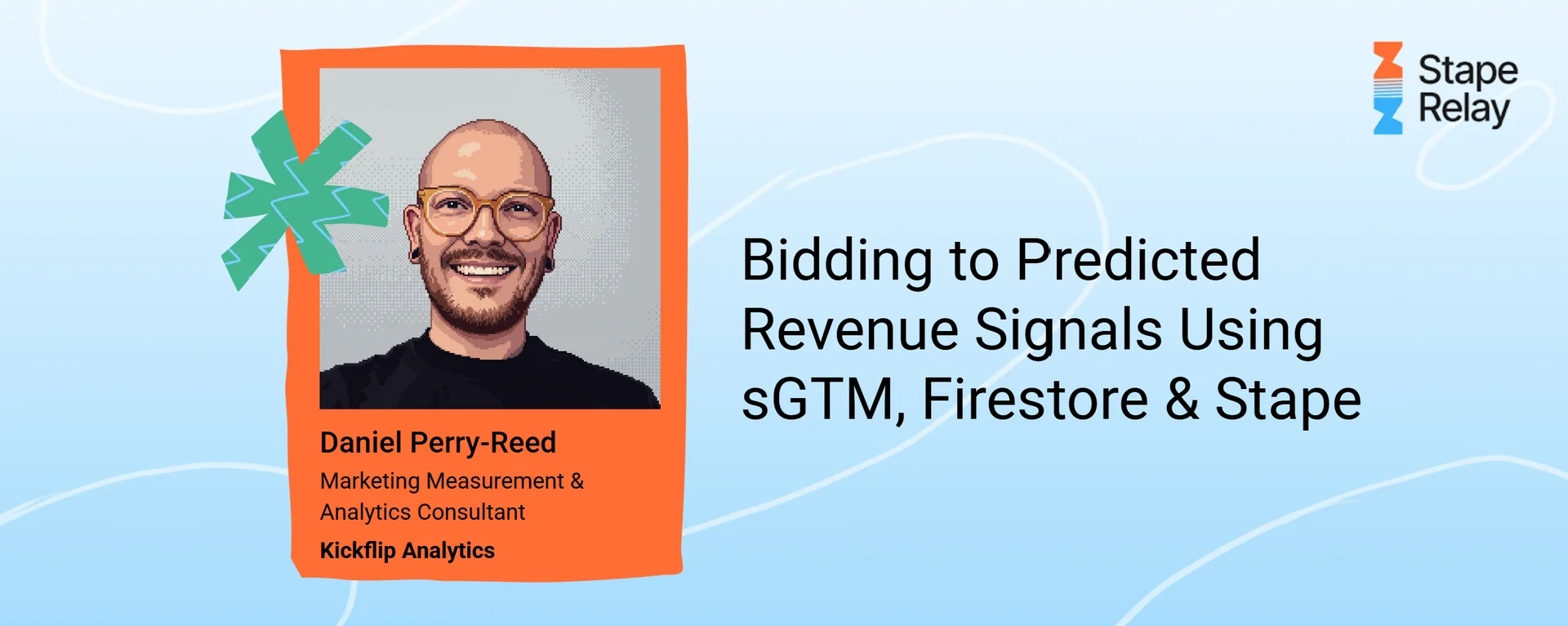
Stape Relay 2026 - Bidding to predicted revenue with sGTM, Firestore and Stape
On 10th November 2026 I spoke at the very first Stape Relay about feeding ad platforms a predicted value instead of a hopeful guess - using server-side GTM, Firestore and a deliberately daft 32-hour delay. Here's the deck and the gist.
From MeasureCamp with love
The first version of this talk was a double act with Dan Murovtsev from Stape at MeasureCamp London on 26th September 2026 - and somehow it won me the prize for prettiest presentation! I'll take it.

The gist
The client is a crowdfunding platform, and its revenue arrives as donations six weeks or more after a project launches - long after marketing's conversion (the launch itself) has been and gone. A decent proportion of crowdfunding projects never get a donation at all, so bidding on every one equally teaches the ad platforms to find more of the wrong people.
The client's data team already had a BigQuery ML model predicting what each project would raise in revenue, ready by 08:00 the next day - up to 32 hours after launch. So I built a system to get this modelled value into all ad platforms, using server-side GTM:
- A duplicate of the project-live event goes into sGTM via a self-hosted client-side GTM container (Stape's Custom Loader power-up). The original event is left untouched.
- Stape's Request Delay holds it for 1,920 minutes (32 hours), by which time the prediction is guaranteed to be ready. Stape kindly raised the cap from 1,500 to 2,000 minutes so this could work. Thanks!
- Event Generator sGTM tag template creates a new event with the predicted value looked up from Firestore. Meaning we only look up the value once, and every other tag reads it from this new event data.
- Google Ads, Meta, TikTok and GA fire off that event with the predicted value. It's the same hit with the same IDs, just late, so the platforms treat it like any other conversion.
Note that the predicted revenue value is not guaranteed to be a better thing to bid on. It may be better on some platforms, not on others, so it gets tested like any other signal.
From the Q&A
Why Firestore, not Stape's Data Store? The client already lives in Google Cloud, and it keeps the predictions owned by the data team - they manage them, I use them.
Doesn't the delay hold everything else up? No - only the duplicate event is delayed. The one quirk is GA filing it into the original session, which makes time-of-day reporting look a bit odd.
How do you know it all arrived? Stape's logs, comparing the original and delayed events in the GA BigQuery export, and Stape's BigQuery Writer tag as temporary logging while we signed it off.
How good does the model need to be? Good enough for your own confidence threshold. This one's on V2, refined every quarter or half-year against actual revenue - and switching to V3 is one variable in sGTM.
Slides and recording
You can flick through the full deck here: Bidding to Predicted Revenue Signals Using sGTM, Firestore & Stape.
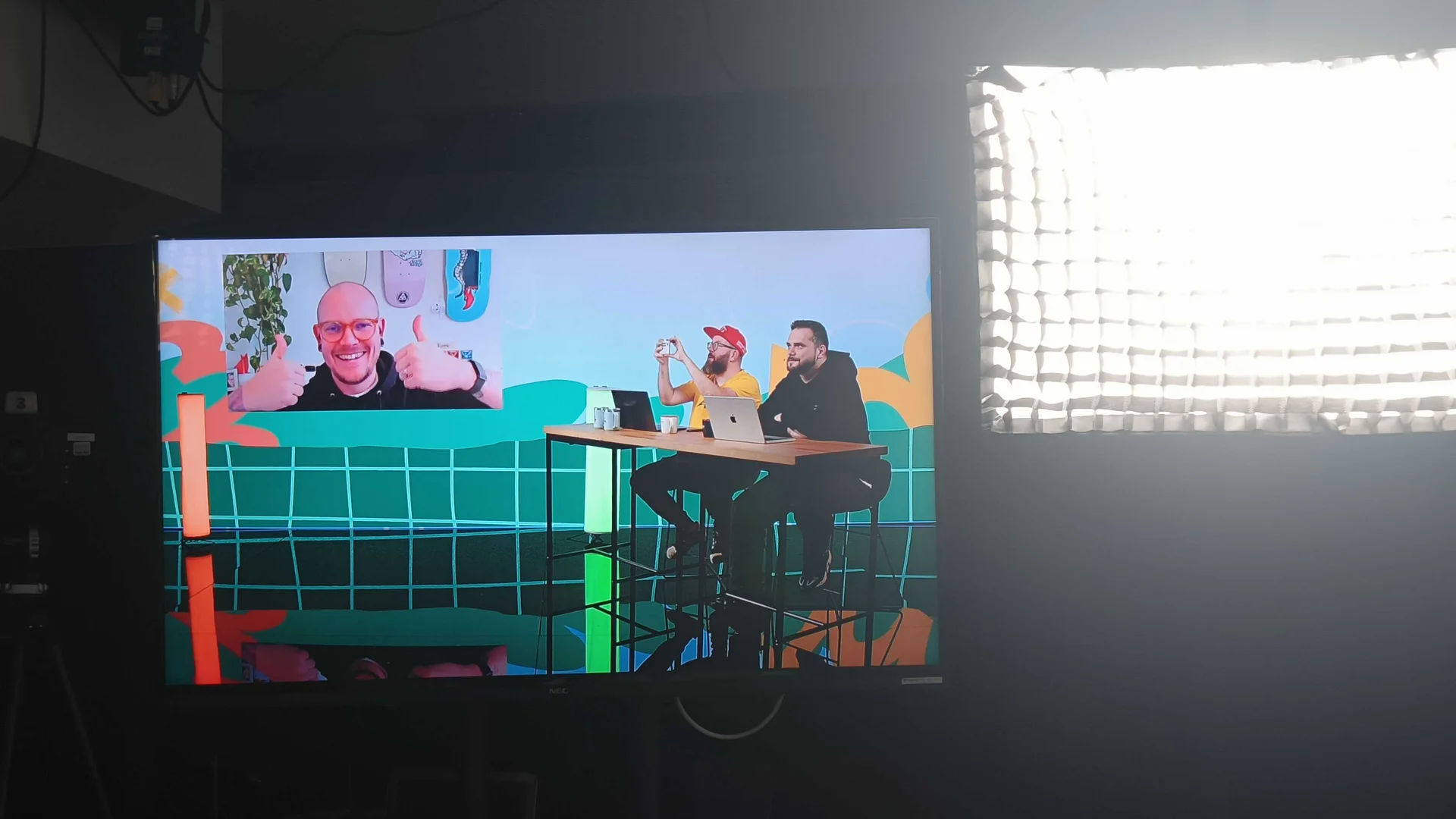
The recording isn't out yet - I'll embed it here as soon as Stape publish it.
If you're doing something similar, or reckon you'd tackle it differently, come and say hi on LinkedIn - always happy to talk shop.